
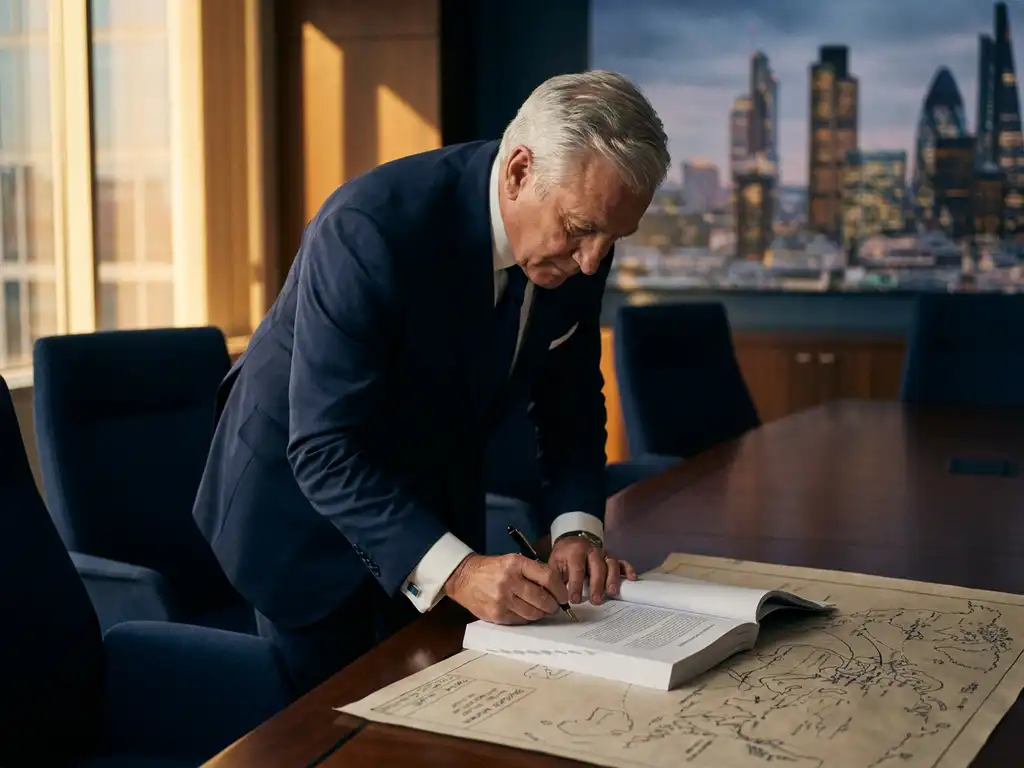
Procurement process optimization is one of the most impactful levers available to large enterprises looking to reduce costs, improve supplier relationships, and build supply chain resilience. Yet despite the clear potential, many optimization initiatives stall before they deliver meaningful results. The reason is rarely a lack of good ideas or capable teams. More often, it comes down to one missing ingredient: genuine executive sponsorship.
When senior leaders treat procurement transformation as a back-office project rather than a strategic priority, the initiative loses momentum, budget, and cross-functional cooperation. This article explores why executive involvement is the single most important factor in whether procurement optimization succeeds or quietly fades into the background.
Where procurement optimization initiatives break down
Most procurement optimization efforts begin with energy and intention. A team is assembled, a scope is defined, and a roadmap is drawn up. But somewhere between the planning stage and sustained execution, things unravel. Understanding where and why is the first step toward preventing it.
The most common failure points are not technical. They are organizational. Cross-functional resistance, competing priorities, and unclear ownership erode progress faster than any data gap or system limitation. When procurement changes touch finance, operations, logistics, and supplier management simultaneously, no single team can drive alignment without authority from the top. Without that authority, even well-designed supply chain optimization strategies struggle to gain traction.
A second common breakdown point is resource allocation. Procurement transformation requires investment in people, tools, and time. When leadership is not actively engaged, procurement teams find themselves competing for budget against initiatives that have a visible executive champion. The result is underfunded projects that deliver partial results and leave organizations skeptical of future efforts.
What executive sponsorship actually looks like in procurement
Executive sponsorship is not the same as executive awareness. Many senior leaders know a procurement optimization project is underway without being meaningfully involved in it. True sponsorship means active, visible commitment that shapes how the rest of the organization treats the initiative.
In practice, effective executive sponsorship in procurement looks like this:
- Visible prioritization: The executive champion communicates the importance of the initiative in leadership meetings, all-hands sessions, and strategic planning conversations.
- Decision-making access: When blockers arise, the procurement team has a direct line to someone who can resolve cross-functional disputes quickly.
- Resource protection: The sponsor actively defends the project’s budget and staffing when competing priorities emerge.
- Accountability structures: Progress is reviewed at the executive level on a regular cadence, not just when problems arise.
- Tone-setting: The sponsor models the behavior they expect from others, treating supplier data, inventory management optimization goals, and process discipline as non-negotiable.
CFOs, COOs, and Supply Chain Directors are the most natural executive sponsors for procurement transformation. Each brings a different lens: the CFO focuses on cost reduction and working capital, the COO on operational continuity and efficiency, and the Supply Chain Director on end-to-end performance from demand forecasting optimization through distribution network optimization. Understanding how these priorities shift depending on sector-specific supply chain pressures helps clarify which executive is best positioned to lead in any given industry context.
How executive alignment accelerates procurement performance
When executives are genuinely aligned around procurement objectives, the pace of change accelerates noticeably. Decisions that would otherwise take weeks get resolved in days. Departments that would otherwise resist change become cooperative because they understand the initiative has leadership backing.
Executive alignment also creates a clearer connection between procurement activities and company-wide strategy. When the COO is actively involved, procurement teams understand how their work connects to broader operational goals. When the CFO is engaged, finance teams are more likely to support procurement investments rather than treating them as cost centers to be trimmed.
This alignment matters especially in complex environments where logistics optimization techniques and warehouse optimization solutions require coordinated change across multiple functions. No single team owns the full picture. Executive sponsorship creates the connective tissue that allows those functions to move together rather than in parallel silos.
Building the business case executives will actually act on
Securing executive sponsorship starts with speaking the language of the executive. A business case built around procurement metrics alone is unlikely to move a CFO or COO to action. The case needs to translate procurement improvements into outcomes that matter at the board level.
A compelling business case for procurement optimization typically includes:
- Financial impact: Quantified cost savings, working capital improvements, and margin contribution tied to specific procurement changes.
- Risk reduction: Clear articulation of supply chain vulnerabilities and how optimized procurement processes reduce exposure to disruption.
- Competitive positioning: Evidence that procurement excellence translates into faster response times, better supplier terms, and stronger service levels.
- Operational dependencies: A map of how procurement performance connects to inventory management optimization, production planning, and customer fulfillment.
- Realistic timeline: Milestones that show early wins alongside longer-term transformation, so executives can see value before the full initiative is complete.
Framing the business case around strategic risk is often more persuasive than framing it around efficiency gains alone. Executives who have lived through supply chain disruptions understand the cost of fragility. A well-structured case that connects procurement optimization to resilience and continuity tends to resonate more deeply than one focused purely on cost reduction.
Sustaining momentum beyond the initial rollout
Getting executive sponsorship for the launch of a procurement optimization initiative is one challenge. Keeping that sponsorship active through the harder middle phases is another entirely. Momentum tends to fade when early enthusiasm meets the reality of organizational change.
Sustaining progress requires building structures that keep executives engaged without overwhelming them. Regular, concise progress updates tied to the metrics they care about are more effective than detailed operational reports. Celebrating visible milestones, even small ones, reinforces the narrative that the initiative is working and worth continued investment.
It also helps to institutionalize procurement performance as part of standard leadership reviews. When supply chain optimization strategies and procurement KPIs appear on the same dashboards as revenue and margin, they stop being a special project and become part of how the business is managed. That shift from project to practice is what separates organizations that sustain procurement improvement from those that cycle through repeated transformation attempts. Working with a partner that offers structured implementation services can be instrumental in making that shift stick.
How More Optimal helps with procurement process optimization
We work with CFOs, COOs, and Supply Chain Directors at large enterprises to turn procurement and supply chain complexity into measurable performance gains. Our approach combines supply chain strategy design, data foundations, and operational transformation to help organizations build procurement capabilities that last well beyond the initial rollout.
When we engage on procurement optimization, we bring:
- Supply chain maturity assessments that identify where procurement processes are creating risk or leaving value on the table
- Executive-ready business cases that connect procurement improvements to financial, operational, and strategic outcomes
- Cross-functional alignment programs that ensure procurement changes are supported across finance, operations, and logistics
- Technology integration through tools like More Optimal and Relex, embedded within a data-first architecture that makes procurement decisions reliable and scalable
- Change management and governance frameworks that sustain momentum and embed new ways of working into the organization
If your procurement optimization efforts have stalled, or if you are preparing to make the case for a major transformation, we would be glad to help you build a foundation that executives will support and that delivers lasting results. Reach out to our team to start the conversation.