
Archieven: Insights

Factory floor model on glass conference table with magnifying glass highlighting production bottleneck constraint area

What is the difference between bottleneck analysis and capacity planning?

Bottleneck analysis identifies existing constraints that limit throughput, while capacity planning proactively determines future resource needs to prevent such limitations. Bottleneck analysis is diagnostic and reactive, focusing on solving current problems. Capacity planning is strategic and forward-looking, ensuring adequate resources for future demand. Both approaches are essential for comprehensive supply chain optimization, with bottleneck analysis…


Lees meer...
Supply chain manager monitoring global logistics network on curved display screen in modern warehouse control room

What technology improves supply chain visibility?

Supply chain visibility technology encompasses IoT sensors, RFID tracking, GPS systems, cloud platforms, and AI-powered analytics that provide real-time monitoring across your entire network. These technologies work together to eliminate blind spots, enable data-driven decisions, and transform operational challenges into competitive advantages. Modern visibility solutions integrate seamlessly with existing systems to deliver comprehensive insights from…

Lees meer...
Warehouse manager analyzing supply chain charts and demand forecasting data on tablet at modern industrial desk.

What are demand forecasting techniques for supply chains?

Demand forecasting techniques for supply chains encompass quantitative methods such as time series analysis and causal models, alongside qualitative approaches including expert judgment and market research. These techniques predict future customer demand to optimise inventory, production planning, and resource allocation. Effective forecasting combines multiple approaches based on data availability, market conditions, and business objectives to…

Lees meer...
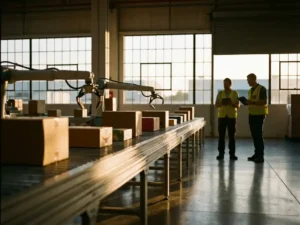
Modern warehouse interior with conveyor belt system

What are the benefits of end-to-end supply chain optimization?

End-to-end supply chain optimization delivers comprehensive benefits by integrating all processes from procurement to delivery, creating a seamless operational flow. This approach eliminates silos between departments, reduces costs through coordinated planning, and improves overall efficiency by treating the entire supply chain as one connected system. Modern enterprises achieve significant performance gains through improved forecast accuracy,…

Lees meer...
Logistics manager using tablet to optimize supply chain routes at modern warehouse control center with digital network map

What are the main logistics optimization techniques?

Logistics optimization techniques are systematic approaches that streamline supply chain operations to reduce costs, improve efficiency, and enhance customer service. These methods transform operational bottlenecks into competitive advantages by applying data-driven strategies, advanced technologies, and process improvements across transportation, warehousing, inventory management, and demand planning. Modern businesses rely on these techniques to navigate complex global…

Lees meer...
Business analyst holding tablet displaying colorful performance charts on conference table with supply chain reports

How do you measure supply chain optimization success?

Supply chain optimization success is measured through a combination of cost reduction metrics, service level improvements, inventory optimization indicators, and operational efficiency benchmarks. The most effective measurement approach establishes clear baseline performance data before optimization begins, then tracks both leading indicators that predict future performance and lagging indicators that confirm results. Success measurement requires careful…

Lees meer...
Transportation network scale model on wooden table with miniature trucks

What factors affect transportation optimization?

Transportation optimization involves strategically coordinating vehicle routes, load planning, and delivery schedules to minimize costs while maximizing efficiency. Multiple interconnected factors influence these optimization efforts, including fuel expenses, technology systems, demand patterns, and external market conditions. Understanding these variables helps supply chain leaders make informed decisions that transform transportation from a cost center into a…

Lees meer...
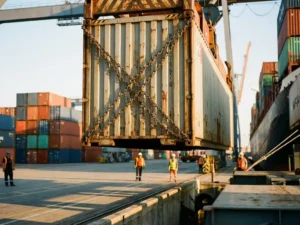
Crane loading weathered shipping container with steel chain rigging onto cargo ship at busy port during golden hour

What makes supply chains resilient?

Supply chain resilience is the ability to anticipate, prepare for, respond to, and recover from disruptions while maintaining continuous business operations. It combines flexibility, visibility, redundancy, and adaptive capacity to transform potential vulnerabilities into competitive advantages. Modern businesses face unprecedented challenges from global disruptions, making resilience a critical survival capability. What exactly is supply chain…

Lees meer...
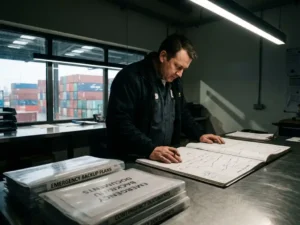
Supply chain manager reviewing logistics charts at metal desk in warehouse control room with shipping containers visible through windows.

How to prepare supply chains for disruptions?

Supply chain disruption preparation involves implementing comprehensive risk assessments, diversification strategies, and robust response planning before disruptions occur. Effective preparation combines vulnerability mapping with resilient infrastructure design, enabling organisations to maintain operations during unexpected events. Modern supply chains require proactive strategies that balance efficiency with adaptability, ensuring business continuity when traditional operations face challenges. What…

Lees meer...
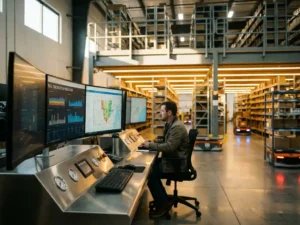
Modern warehouse control center with multiple monitors showing logistics data

How does logistics optimization differ from warehouse management?

Logistics optimization is a comprehensive supply chain strategy that coordinates the entire network of suppliers, facilities, and customers to minimise total costs and maximise service levels. Warehouse management, conversely, focuses specifically on storage and fulfilment activities within individual facilities. While warehouse management handles tactical operations such as inventory storage and order picking, logistics optimization encompasses…

Lees meer...